
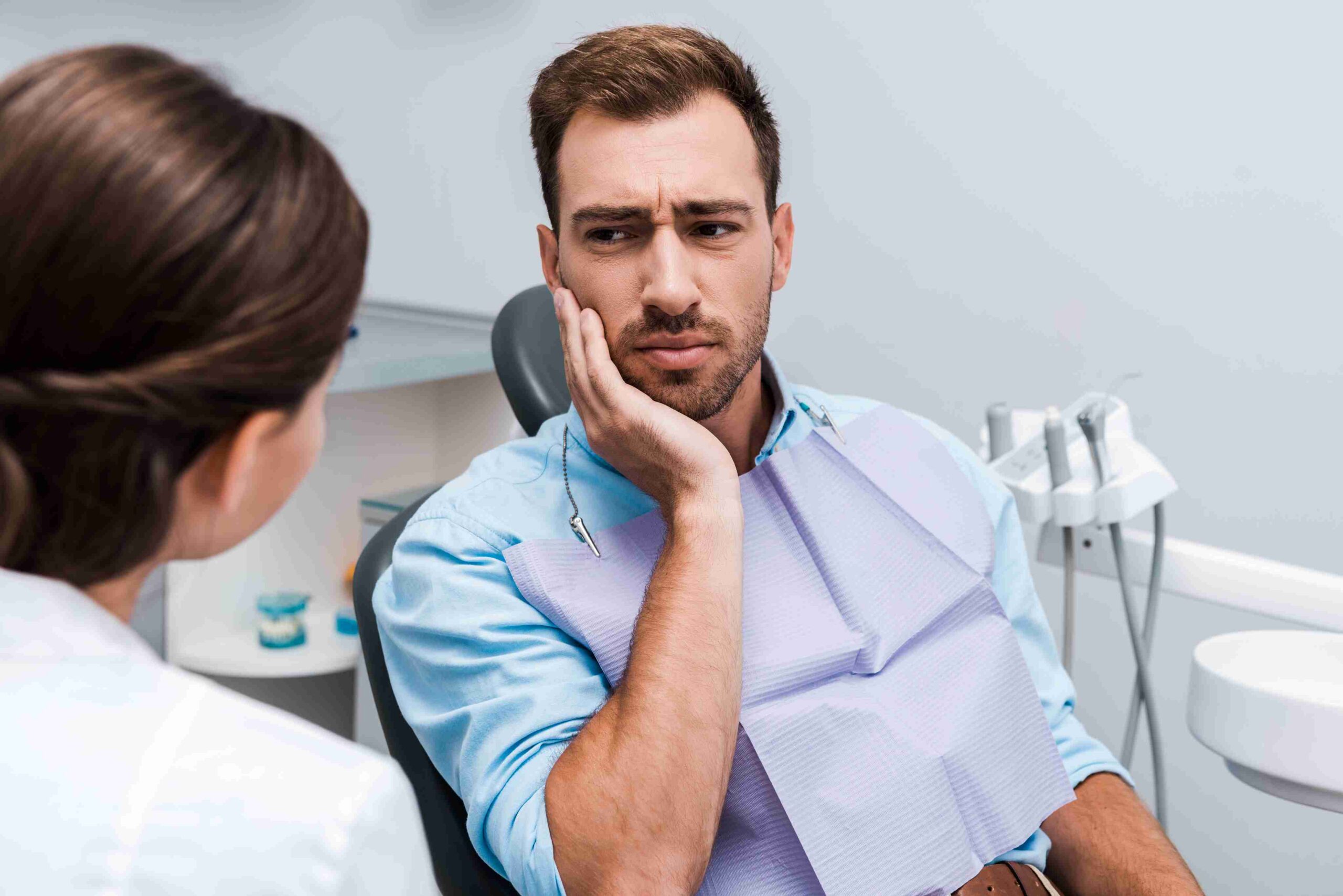
An emergency dentist at Erin Mills, ON may be needed when a patient has severe tooth pain, swelling, a broken tooth, a knocked-out tooth, bleeding that does not stop, or signs of infection. Urgent dental care usually begins with a focused exam, symptom review, and X-rays when needed. Erin Mills patients should seek prompt dental or medical attention for facial swelling, fever, pus, spreading pain, heavy bleeding, or trouble swallowing or breathing.
Dental concern can feel urgent when it changes quickly. A filling may fall out during lunch; swelling may appear near the jaw, or a tooth may start hurting enough to interrupt sleep. Patients in Erin Mills may wonder whether the problem needs attention right away or whether it can wait for a regular visit.
Searching for an emergency dentist for Erin Mills, ON often happens when pain, injury, swelling, or broken dental work creates uncertainty. Some symptoms can be watched for a short time, but severe pain, facial swelling, fever, heavy bleeding, trauma, or infection signs should be checked promptly.
Emergency dental care focuses on finding the cause and reducing risk. The dentist may recommend temporary care, a filling, crown, root canal treatment, extraction, medication, or a follow-up plan depending on the diagnosis.
What Makes a Dental Concern Urgent
A dental concern becomes urgent when pain, swelling, infection signs, bleeding, or injury may affect oral health or overall comfort. The timing depends on how strong the symptoms are and whether it is getting worse.
A small chip with no pain may not need the same response as a knocked-out tooth. A mild ache may be less urgent than swelling with a fever or pus. Still, even small tooth damage should be checked because cracks can extend below the surface.
Erin Mills patients should seek urgent help for symptoms that affect eating, sleeping, swallowing, speaking, or facial comfort. Trouble breathing or trouble swallowing needs immediate medical or dental attention.
When Emergency Dentist Erin Mills ON Care May Be Needed
An emergency dentist at Erin Mills, ON visit may be recommended when symptoms suggest infection, trauma, damaged tooth structure, or a restoration problem that cannot wait. The visit may begin with questions about pain, timing, injury, swelling, and medical history.
Urgent dental care may be needed for:
- Severe or worsening tooth pain
- Swelling in the gums, face, or jaw
- A cracked or broken tooth
- A knocked-out permanent tooth
- A loose tooth after injury
- A lost filling or crown with pain
- Bleeding that does not stop
- Pus, bad taste, or gum drainage
- Fever with dental symptoms
The dentist’s first goal is to understand what is happening. Treatment depends on whether the tooth, gums, nerve, bone, or restoration is involved.
Tooth Pain That Changes Your Day
Tooth pain can come from decay, cracks, bite pressure, gum disease, exposed roots, or infection. The way pain behaves can help guide the exam.
Pain when biting may point to a crack, high filling, or inflammation around the root. Sensitivity that lingers after cold or hot foods may suggest deeper tooth irritation. Pain that wakes someone up may need prompt evaluation.
A patient looking for emergency dentists near Erin Mills for care should not rely only on pain medicine when symptoms are severe or returning. Medication may reduce discomfort for a short time, but it does not repair the cause.
Swelling Should Be Treated Carefully
Swelling can be linked to an infected tooth, gum infection, or injury. It may appear near one tooth, along the gumline, under the jaw, or in the face.
Warning signs include fever, spreading swelling, bad taste, pus, severe tenderness, or pain that moves into the jaw. These symptoms should not be ignored.
Erin Mills patients should share details when arranging care. The dentist needs to know when swelling starts, where it is located, whether fever is present, and whether swallowing or breathing feels affected.
Broken Teeth and Lost Dental Work
A broken tooth can happen from biting something hard, decay, grinding, or trauma. Some breaks feel sharp, while others only hurt when pressure is placed on the tooth.
A lost filling or crown can expose sensitive tooth structure. The tooth may feel weak, rough, or painful when chewing. Patients should avoid chewing on that side until the area is checked.
If a crown, filling, or tooth piece comes out, place it in a safe container and bring it to the appointment. The dentist may discuss smoothing, temporary repair, a filling, crown, root canal treatment, extraction, or another option after evaluation.
Dental Injuries Need Prompt Attention
Dental trauma may include a chipped tooth, loose tooth, displaced tooth, knocked-out tooth, jaw injury, or cuts inside the mouth. Even when pain is mild, trauma can affect roots, nerves, bones, and soft tissue.
If a permanent tooth is knocked out, hold it by the crown and avoid touching the root. Keep it moist in milk or inside the cheek if safe. Seek urgent dental care quickly.
If a tooth has shifted, do not force it into place. Heavy bleeding, jaw pain, deep cuts, or signs of head injury should be evaluated promptly.
What to Do Before the Appointment
Before caring, try to protect the affected area. Rinse gently with warm water if food or debris is present. A cold compress on the outside of the face may help after swelling or injury.
Avoid hard foods and do not chew on the painful side. Do not place aspirin directly on the tooth or gums because it can irritate tissue.
For severe swelling, fever, heavy bleeding, trouble swallowing, or trouble breathing, seek urgent dental or medical attention. These symptoms should not wait for a regular appointment.
How Urgent Dental Care Helps
A same-day or urgent visit can help patients move from guessing to understanding. The dentist can check whether the concern involves decay, infection, trauma, gum disease, bite pressure, or damaged dental work.
Patients may value:
- A focused exam for sudden symptoms
- X-rays when needed
- Evaluation of pain and swelling
- Temporary protection for damaged teeth
- Guidance after dental injury
- Support for lost fillings or crowns
- Clear follow-up instructions
- Warning signs to monitor at home
Some concerns can be treated during the urgent visit. Others may need stabilization first and final care later.
What Happens During the Visit
The dentist may ask when symptoms start, what makes them worse, and whether an injury happens. Patients should mention fever, swelling, drainage, bleeding, or medication use.
The exam may include checking the painful tooth, nearby teeth, gums, bite, jaw movement, and soft tissues. X-rays may be recommended to look below the surface.
After the exam, the dentist can explain the findings and treatment choices. Patients should ask what symptoms need close attention and whether follow-up care is needed.
Local Patient Review
“I had a crown come loose and was worried the tooth underneath was damaged. The appointment helped explain what was happening and how the tooth could be protected.”
A Calm Way to Handle Dental Urgency
Sudden dental symptoms can feel stressful, but a focused exam can help clarify what is happening. Erin Mills patients should seek care for severe pain, swelling, injury, broken teeth, lost dental work, or infection signs. With Roseborough Dental, urgent dental visits can focus on careful evaluation, clear treatment choices, and practical next steps for oral health.
Frequently Asked Questions
Can a lost filling wait a few days?
A lost filling should be checked soon, especially if the tooth hurts, feels sharp, or is hard to chew on. Exposed tooth structure can become sensitive or weakened.
What should I do if my face is swollen from my tooth?
Facial swelling should be evaluated promptly. If swelling spreads or comes with fever, trouble swallowing, or trouble breathing, seek urgent medical or dental care.
Is bleeding after a dental injury serious?
Bleeding that does not stop with gentle pressure should be checked. Deep cuts, jaw injury, or trauma involving teeth also need prompt evaluation.
Why does my tooth hurt only when I bite?
Biting pain may come from a crack, inflamed ligament, high filling, decay, or infection. A dentist can test the tooth and review X-rays when needed.
Can an emergency dentist Erin Mills ON help with a loose crown?
Yes, the dentist can check the crown, the tooth underneath, and the bite. The crown may need recementing, repair, or a different plan.
Should I save a broken piece of tooth?
Yes, place the broken piece in a safe container and bring it to the visit. The dentist can decide whether it is useful after examining the tooth.
What if tooth pain improves before my appointment?
Pain can settle even when decay, infection, or a crack remains. It is still wise to have the tooth checked if symptoms were severe or unusual.
Can urgent dental care include root canal treatment?
It may, depending on the diagnosis and timing. Some teeth need temporary care first, followed by root canal treatment or another option later.