
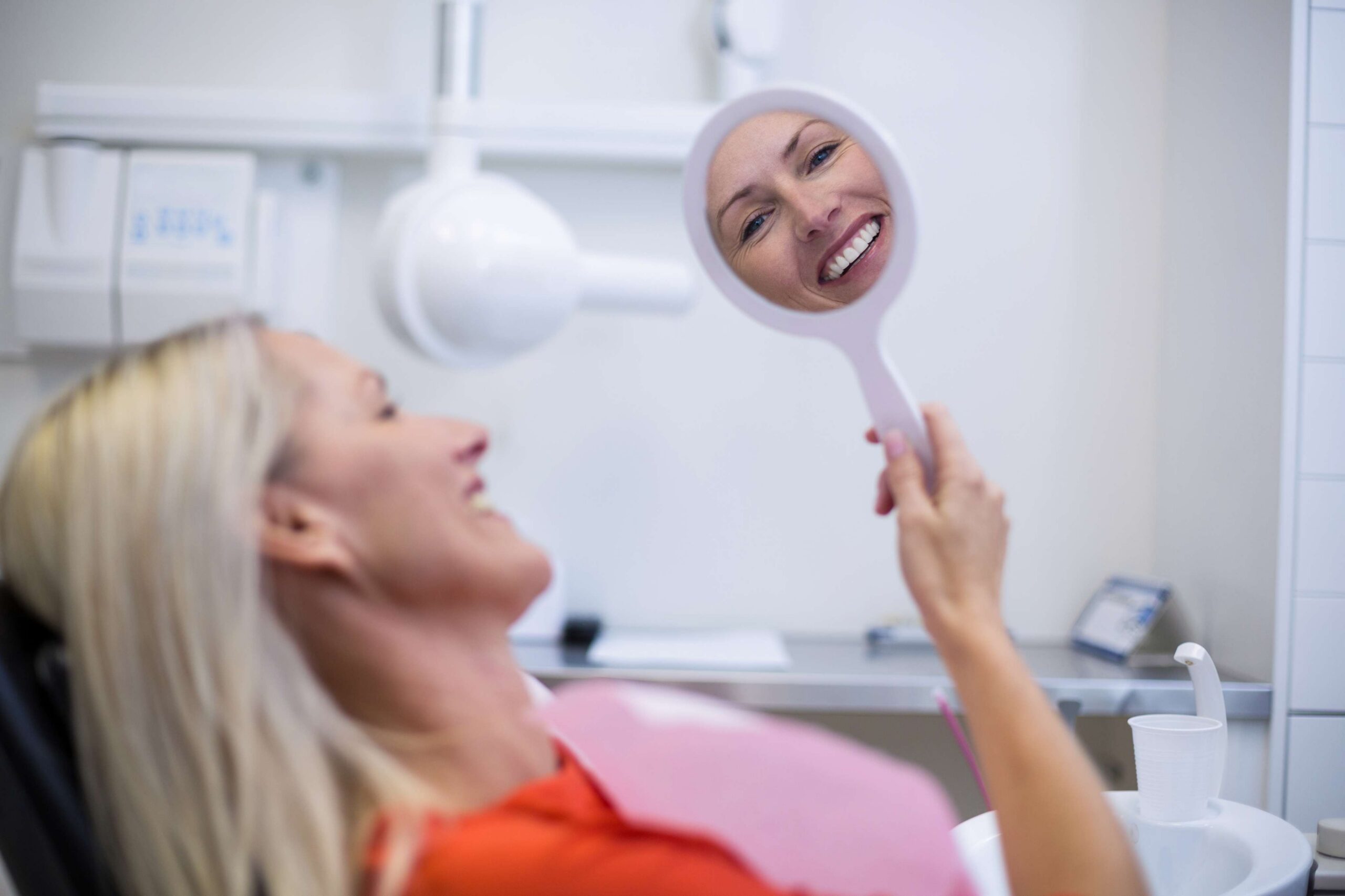
A dentist in Streetsville, ON can help patients protect their oral health through dental checkups, cleanings, gum monitoring, cavity screening, bite review, and preventive guidance. Preventive visits may identify early decay, gum inflammation, tooth wear, dry mouth concerns, or changes around old restorations before they become more difficult to manage. Streetsville patients can use routine dental care to understand risk factors, improve home habits, and plan treatment only when evaluation shows it is needed.
Preventive dental care is most helpful when it feels practical. Patients may not always notice early decay, gum inflammation, or tooth wear at home. A mouth can feel normal even while small changes are starting.
For patients in Streetsville, a dentist in Streetsville, ON can help track these changes through regular checkups and cleanings. The visit may also include questions about sensitivity, bleeding gums, dry mouth, grinding, food trapping, or older dental work.
A preventive appointment is not only about cleaning teeth. It is a chance to understand what is stable, what should be watched, and what habits may reduce future risk. This helps patients make clearer choices about oral health.
Prevention Starts with Knowing Your Risk
Every patient has different dental risks. Some build tartar quickly. Some have dry mouths from medication. Others may have crowded teeth, gum recession, old fillings, or a history of cavities.
A preventive visit helps identify those risk factors. The dentist can explain which concerns are present now and which areas should be monitored over time.
Someone searching for a dentist near Streetsville may want a routine checkup, but that appointment can still reveal useful information. The goal is to prevent problems when possible and address small concerns early.
What Dentist Streetsville ON Visits May Include
A dentist in Streetsville, ON visit may include a review of health history, symptoms, medications, and oral care habits. Patients should mention bleeding gums, dry mouth, sensitivity, jaw soreness, tooth wear, or changes around crowns and fillings.
The dentist may check teeth, gums, bite, oral tissues, jaw movement, and dental restorations. X-rays may be recommended when needed to see areas that are not visible during the exam.
The visit should end with clear guidance. That may mean home care advice, routine monitoring, gum treatment, restorative care, or another recommendation based on the findings.
Dental Checkups Can Find Early Changes
Dental checkups help the dentist look for early signs of decay, gum inflammation, oral tissue changes, tooth wear, and restoration problems. Many of these concerns begin quietly.
A small cavity may not hurt. Gum disease may start with bleeding during brushing. Grinding may leave flat spots on teeth before a patient notices jaw of soreness.
Streetsville patients should describe small symptoms clearly. A tooth that hurts only with cold drinks or a gum area that bleeds only sometimes can still help guide the exam.
Cleanings Help Protect the Gumline
Dental cleanings remove plaque and tartar from areas where brushing and flossing may be missed. Tartar near the gumline can irritate tissue and make the gums more likely to bleed.
Cleanings also give the dental team a chance to show where buildup is collected. This can help patients improve brushing or flossing in specific areas instead of guessing.
Some patients may need more frequent gum monitoring or deeper gum care. The right schedule depends on gum health, tartar levels, pocket measurements, and dental history.
Gum Health Changes Over Time
Gum health can change with plaque buildup, tartar, smoking, diabetes, stress, pregnancy, medications, and home care habits. Gums may bleed, swell, recede, or feel tender.
Gum problems do not always cause pain early. That is why gum checks are part of preventive dental visits. The dental team may measure spaces around the teeth to see how well the gums are supporting them.
Streetsville patients should mention bleeding even if it seems minor. Early gum care may help reduce inflammation and support long-term tooth stability.
Tooth Wear and Bite Pressure
Tooth wear can come from grinding, clenching, acid exposure, or an uneven bite. Some patients notice chipped edges, flattened teeth, jaw soreness, or morning tenderness.
The dentist may check how the upper and lower teeth meet. If bite pressure is heavy in one area, certain teeth or restorations may be more likely to crack or feel sore.
Preventive care may include monitoring, habit review, or protective options when appropriate. The recommendation depends on what the dentist sees.
Dry Mouth and Cavity Risk
Dry mouths can make teeth more vulnerable to cavities because saliva helps wash away food particles and neutralize acids. Some medications and health conditions can reduce saliva flow.
Patients may notice a sticky feeling, frequent thirst, bad breath, or trouble swallowing dry foods. These symptoms are worth mentioning at a preventive visit.
A dentist can review possible oral health effects and suggest ways to reduce risk. This may include hydration habits, fluoride guidance, or cleaning changes depending on the patient’s needs.
Home Care That Matches Your Mouth
Preventive dentistry works best when home care fits the patient’s actual mouth. A person with tight contacts may need a different flossing approach than someone with bridges, implants, or gum recession.
Brushing twice a day with fluoride toothpaste is a strong starting point. Cleaning between teeth is also important because cavities and gum inflammation often begin where a toothbrush cannot reach well.
Streetsville patients should ask which areas are hardest to clean. Knowing the exact spots can make home care more focused.
Benefits Patients Often Want from Preventive Visits
Preventive visits can help patients stay ahead of common dental concerns. They are useful because they combine professional care with personal guidance.
Patients may value:
- Cleaner teeth and healthier gums
- Early cavity detection
- Gum health tracking
- Support for sensitivity concerns
- Review of fillings, crowns, and bridges
- Bite and tooth wear monitoring
- Dry mouth guidance
- Home care advice that feels specific
These benefits depend on regular visits and daily care. Prevention is a shared effort between the dental office and the patient’s routine.
What to Expect Before During and After Care
Before the appointment, patients should think about current concerns and recent changes. Sensitivity, bleeding, dry mouth, jaw soreness, food trapping, or loose dental work should be mentioned.
During the visit, the dental team may complete a cleaning, exam, gum check, and X-rays when needed. The dentist can explain any findings and discuss whether monitoring, prevention, or treatment is recommended.
After the appointment, patients should understand the next step. This may include home care changes, follow-up visits, treatment planning, or the timing of the next checkup.
Local Patient Review
“I did not realize dry mouth could affect my teeth. The visit helped me understand what to watch for and how to adjust my daily routine.”
A Better Routine for Long-Term Oral Health
Preventive dental visits help Streetsville patients understand changes before they become harder to manage. Cleanings, checkups, gum monitoring, and home care guidance can support healthier teeth and gums over time. With Roseborough Dental, preventive care can focus on practical advice, careful monitoring, and dental decisions based on each patient’s current oral health.
Frequently Asked Questions
Why do I need checkups if I brush well?
Good brushing helps, but it does not show hidden decay, gum pocket changes, tooth wear, or problems under old dental work. Checkups help find what home care cannot.
Can a dentist tell me if I grind my teeth?
Yes, signs may include worn edges, small cracks, jaw soreness, or sore teeth. The dentist can check your bite and discuss protective steps if needed.
What causes tartar to build up quickly?
Tartar buildup can be affected by saliva, brushing technique, tooth position, and flossing habits. Professional cleanings remove tartar that cannot be brushed away.
Should I mention medication changes at a dental visit?
Yes, some medications can affect saliva, gums, bleeding, or healing. Sharing updates helps the dentist guide to care safely.
What does a dentist in Streetsville ON check during preventive care?
The dentist may check teeth, gums, bite, oral tissues, restorations, sensitivity concerns, and signs of tooth wear or gum disease.
Can preventive care reduce dental emergencies?
It may lower risk by finding cavities, cracks, gum concerns, or worn restorations early. Emergencies can still happen, but regular care helps with monitoring.
Why do my gums bleed only in one area?
One-area bleeding may come from trapped plaque, tartar, a tight contact, gum inflammation, or cleaning technique. A dental exam can identify the likely cause.
How can I make my next dental visit more useful?
Bring symptoms, health changes, dry mouth, sensitivity, or habits you are unsure about. Clear details help the dentist give more specific advice.