
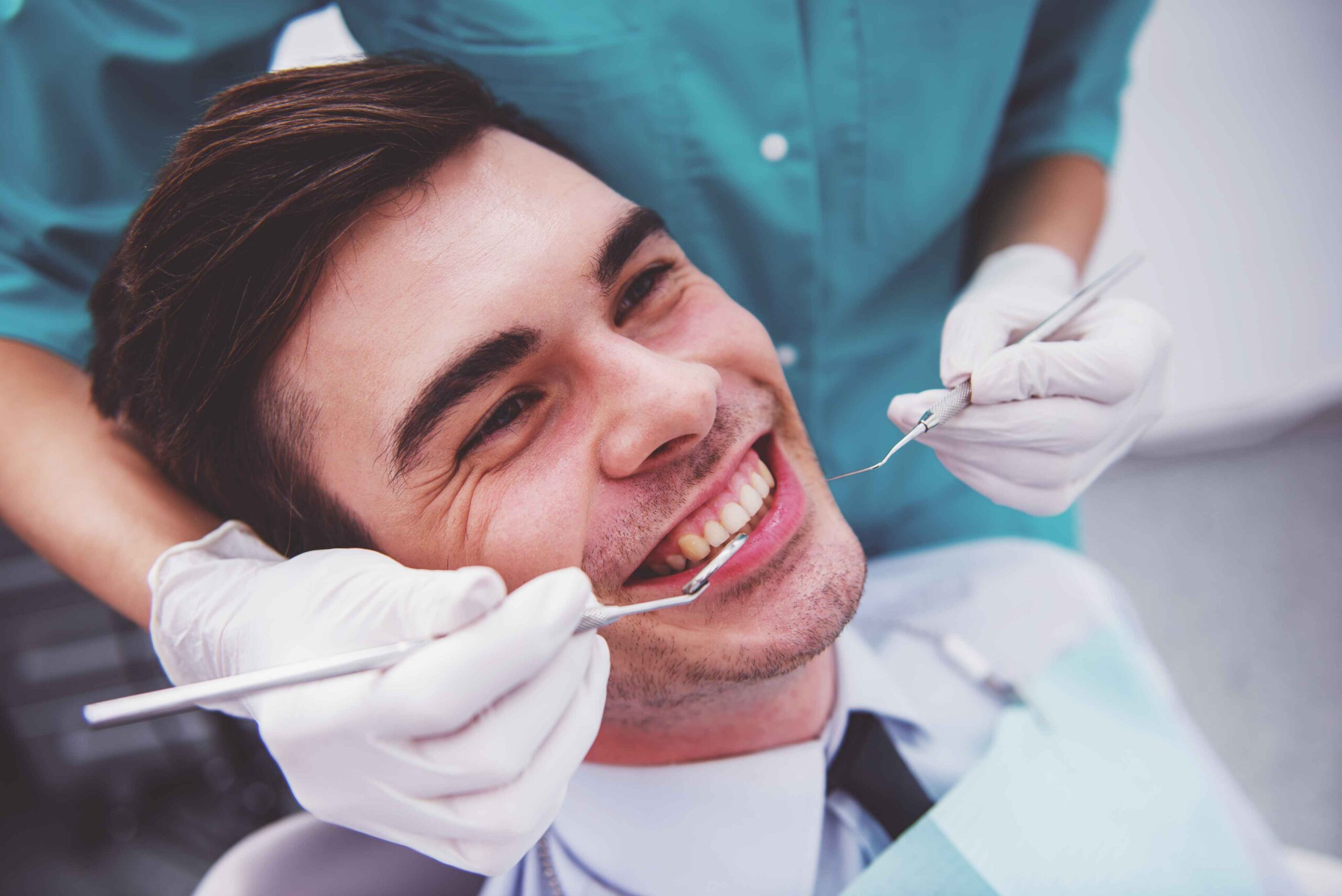
Dental implants in Streetsville, ON may help selected patients replace one or more missing teeth with implant-supported crowns, bridges, or dentures. Treatment planning includes checking gum health, jawbone support, bite pressure, medical history, nearby teeth, and daily cleaning habits. Streetsville patients should compare dental implants with bridges and dentures after a full evaluation because the best tooth replacement option depends on oral health, function, comfort, and long-term maintenance needs.
A missing tooth can change how the mouth feels during everyday activities. Chewing may shift to one side; food may catch in the gap, or a nearby tooth may begin to lean. Some Streetsville patients first notice the space in photos, while others notice pressure, bite changes, or difficulty eating certain foods.
Patients considering dental implants in Streetsville, ON are often looking for a stable way to replace missing teeth. Dental implants may support a crown, bridge, or denture depending on the number of missing teeth and the health of the surrounding area.
An implant plan should not be rushed. The dentist needs to review bone support, gum health, bite pressure, medical history, oral hygiene, and the condition of nearby teeth before deciding whether implants may be suitable.
What Dental Implants Are
Dental implants are small posts placed in the jawbone to act like artificial tooth roots. After healing, they may support a replacement tooth or teeth. The visible part may be a crown, bridge, or denture attachment.
A single implant may replace one missing tooth. Several implants may support a larger restoration when multiple teeth are missing. The design depends on the mouth, not only on the number of spaces.
For Streetsville patients, implant care is part of restorative dentistry. The goal is to restore function, support spacing, and create a replacement that can be cleaned and monitored over time.
Why a Missing Tooth Should Be Checked
A gap may seem harmless at first, especially if it is not visible. Still, teeth work as a group. When one tooth is missing, nearby teeth may drift, and the opposing tooth may move because it no longer meets a biting partner.
Food can also be collected in space. This may make cleaning harder and increase irritation around neighboring teeth or gums.
Someone searching for dental implants near Streetsville may be focused on replacing the missing tooth. A dentist also needs to check how that gap is affecting the bite, gums, and nearby teeth.
Planning Dental Implants Streetsville ON Care
Planning dental implants in Streetsville, ON care usually begins with a consultation and exam. The dentist may ask when the tooth was lost, whether infection was involved, and whether the area has had past dental work.
The exam may include gum, jawbone, bite, neighboring teeth, soft tissues, and oral hygiene. X-rays or 3D imaging may be recommended to review bone support and important structures.
If implants seem suitable, the dentist can explain the possible steps. If they are not recommended, another tooth replacement option may be safer or more practical.
Bone Support and Gum Health
Dental implants need healthy support from the jawbone. If a tooth has been missing for a long time, the bone in that area may shrink or change shape. This may affect timing, placement, or whether other treatment is needed first.
Gum health is also important. Active gum inflammation or gum disease can affect both natural teeth and implant restorations. The dentist may recommend gum care before implant placement is considered.
Streetsville patients should view this planning as part of safety. A stable foundation helps the replacement function better over time.
Replacing One Tooth with an Implant Crown
A single implant crown may be considered when one tooth is missing, and the surrounding area is healthy. This option may avoid using nearby teeth for support in the same way a traditional bridge does.
The implant is placed in the missing tooth area. After healing, a crown is attached. The crown must fit the bite and sit properly next to the neighboring teeth.
This option may not suit every gap. Space, bone support, gum position, bite force, and medical history all shape the recommendation.
Replacing Several Missing Teeth
When several teeth are missing, implants may support a bridge or selected denture design. Not every missing tooth needs its own implant. The number and position of implants depend on the final restoration and available support.
An implant-supported bridge may replace several teeth in one area. Implant-supported dentures may be discussed when many teeth are missing or when extra denture stability is desired.
Streetsville patients should ask how each design is cleaned, repaired, and maintained. Everyday care matters after treatment are finished.
Comparing Implants with Bridges and Dentures
A traditional bridge uses nearby teeth for support. It may be useful when those teeth already need crowns or protection. A bridge is fixed in place, but cleaning around it requires attention.
Dentures are removable appliances. They may replace several teeth or a full arch. Some patients prefer removable options, while others want to explore implant-supported teeth for added stability.
Implants may offer a fixed replacement in selected cases, but they require surgery, healing, maintenance, and enough support. The best choice depends on oral health, function, and patient goals after evaluation.
Bite Pressure Matters
Bite pressure can affect implant success and comfort. Patients who clench or grind may place extra force on crowns, bridges, dentures, and natural teeth.
The dentist may look for worn enamel, chipped restorations, jaw soreness, or teeth that feel tender in the morning. These signs can help guide planning.
A dental implant should not simply fill a space. It should fit the chewing system, so pressure is shared as evenly as possible.
Benefits Patients May Want from Implants
Dental implants may offer useful benefits to selected patients. These benefits depend on bone support, gum health, bite, medical history, and daily care.
Patients may value:
- A fixed replacement for one missing tooth
- Support for chewing function
- Help maintaining tooth spacing
- Replacement options for several missing teeth
- A restoration that can blend with nearby teeth
- Less reliance on removable appliances in some cases
- A long-term tooth replacement plan
- Clear comparison with bridges and dentures
A consultation helps show which benefits may apply to the patient’s situation.
What to Expect Before During and After Treatment
Before implant treatment, patients may have an exam, imaging, and a discussion about treatment options. Gum disease, infection, or oral hygiene concerns may need to be taken first.
During treatment, the implant is placed into the jawbone. Healing time is usually needed before the final crown, bridge, or denture connection is completed. The exact sequence depends on the case.
After treatment, patients need daily cleaning and routine dental visits. The dentist can monitor the implant, gums, bites, and nearby teeth. Swelling, bleeding, looseness, pain, or bite changes should be checked.
Keeping Dental Implants Healthy
Dental implants cannot get cavities, but the tissues around them can still become inflamed. Plaques can collect where the restoration meets the gums.
Patients may need special floss, small brushes, a water flosser, or other tools depending on the restoration. The dentist can explain what fits the design.
Streetsville patients should keep regular dental visits. Monitoring helps identify gum changes, bite pressure, restoration wear, or cleaning problems before they become more difficult.
Local Patient Review
“I had a missing tooth for years and did not realize the space could affect my bite. The visit helped me understand implants, bridges, and what needed to be checked first.”
A Clearer Way to Replace Missing Teeth
Replacing missing teeth should support chewing, spacing, cleaning, and long-term oral health. Streetsville patients can compare implants with bridges, dentures, and other options after a full dental evaluation. With Roseborough Dental, implant planning can focus on function, daily maintenance, realistic expectations, and a treatment path shaped around the patient’s oral health.
Frequently Asked Questions
Can dental implants help if I only have one missing tooth?
Yes, one implant may support a crown if the bone, gum tissue, bite, and space are suitable. A dentist needs to evaluate the area first.
What if my missing tooth space has changed over time?
Nearby teeth may shift into the space, and the bone may change shape. The dentist may need imaging and measurements before discussing implant options.
Do implants require healthy gum?
Yes, gum health is important because the tissue around implants must stay stable. Gum inflammation or gum disease may need care before implant planning continues.
Can Dental Implants Streetsville ON support dentures?
In selected cases, implants may help support a denture. The design depends on bone support, gum health, bite pressure, and how many teeth are missing.
Why does my bite matter to dental implants?
A heavy or uneven bite can place extra pressure on implant restorations. The dentist may check for grinding, tooth wear, or jaw soreness during planning.
Are implants the same as bridges?
No, an implant replaces the missing root area, while a bridge often uses neighboring teeth for support. Both options should be compared after an exam.
What happens if I do not replace a missing tooth?
Nearby teeth may shift, chewing may become uneven, and food may be collected in the gap. The level of risk depends on the location and your oral health.
How do I clean around an implant crown?
Brush carefully and clean around the crown as instructed. Your dentist may suggest floss, small brushes, or other tools based on restoration.